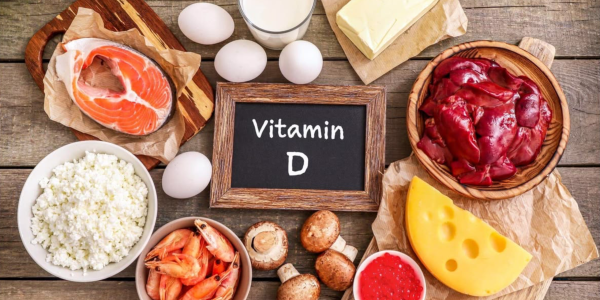
Foods Rich in Vitamin D: Which Are the Best Sources, Its Presence in Fruit, and Combining It with K2
Vitamin D is an essential nutrient for maintaining healthy bones and teeth, supporting calcium absorption, and ensuring the normal functioning of the immune system. In addition to being produced by the body through skin exposure to sunlight, it can also be obtained from food. Oily fish, cod liver oil, eggs, and certain mushrooms are among the foods that contain noteworthy amounts, while common fruit and vegetables generally provide negligible quantities. In this article, we explore the main dietary sources, the role of fortified products, and the relationship between vitamins D3 and K2, to understand how to follow a varied diet and when supplementation may be worth considering.

Folic Acid: What It Is, What It Does and Where to Find It
Folic acid is the synthetic form of vitamin B9, an essential nutrient involved in cell division, DNA synthesis and red blood cell formation. Vitamin B9 occurs naturally in many foods, especially leafy green vegetables and legumes, while folic acid is used in supplements and fortified foods. Its intake is particularly important during pregnancy and in the period before conception, when it contributes to the normal development of the embryo's nervous system. In this article, we take a closer look at the functions of vitamin B9, daily requirements, the possible consequences of a deficiency and the precautions to consider for informed supplementation.

Vitamin B12: What It Is Used For, Deficiency, Sources and How to Take It
Vitamin B12, also known as cobalamin, is an essential micronutrient that plays important roles in the nervous system, red blood cell formation and normal cellular metabolism. It is naturally found mainly in animal-based foods, while people following a vegan diet must pay particular attention to ensuring an adequate intake through supplements. Insufficient intake or difficulties with absorption can lead to vitamin B12 deficiency, with consequences affecting several functions of the body.

Does fructose cause harm? When, what effects does it have, and where is it found?
Fructose is a simple sugar naturally found in fruit and honey, but it is also used as a sweetener in many industrial products. It is often considered a healthier alternative to regular sugar, but its impact on the body depends on the amount consumed and its food source. Excessive consumption, particularly through sugary drinks and foods high in added sugars, can have negative effects. In this article, we explore when fructose can become a health concern, its potential effects on the liver, body weight, pancreas and joints, and which foods contain it.

Pre-Workout Snack: When to Eat It, What to Eat and Practical Ideas
A pre-workout snack is a small meal that can help provide the body with the nutrients needed to tackle a training session. What to eat and when depends on several factors, including how much time is left before physical activity, the type of exercise, its intensity and personal goals. In this article, we look at when to have a pre-workout snack, which foods to choose among carbohydrates and proteins, and how to adjust portions according to muscle-building or definition goals.

Red Beetroot: Benefits and Possible Side Effects
Red beetroot is a vegetable appreciated for its sweet taste, intense colour and content of fibre, vitamins, minerals and plant compounds such as nitrates, betalains and betaine. It can be eaten raw, cooked or in juice form and is often associated with several health benefits, including its potential role in supporting blood circulation and cardiovascular function. Despite its nutritional properties, beetroot also has some contraindications worth knowing about. In this article, we explore the properties of red beetroot, its potential benefits, the precautions to consider and the differences between raw and pre-cooked beetroot.

ATP (adenosine triphosphate): what it is, structure, functions and applications
Adenosine triphosphate (ATP) is a molecule that is essential for the functioning of all living cells. It is often referred to as the body's "energy currency" because it enables energy to be transferred between different biochemical reactions and supports numerous processes, from muscle contraction to protein synthesis. It is continuously produced and depends on nutrient metabolism and mitochondrial activity. ATP is also important for understanding how muscles function during physical exercise and the mechanisms underlying sports supplementation.

Glycerol: What Is It? What Is It Used For and What Are Its Contraindications?
Glycerol is a substance naturally present in the body and in numerous compounds of plant and animal origin. Also known as glycerin, it is characterised by its viscous consistency, slightly sweet taste and ability to retain water. In the sports nutrition sector, glycerol is studied primarily for its relationship with hydration and fluid management during physical activity. In this guide, we explore its characteristics, main uses and possible contraindications.

Nitrates: what they are, where they are found, what they are used for and their effects
Nitrates are chemical compounds naturally present in the environment and in many foods, especially green leafy vegetables and certain vegetables such as beetroot. They are involved in several biological processes and have also attracted interest in sports nutrition due to their role in nitric oxide production. In this guide, we explore the differences between nitrates and nitrites, their main dietary sources, their potential applications in sports, and the aspects to consider when assessing their health benefits and risks.