
Vitamins: What They Are, What They Do and Which Types Exist
Vitamins are essential micronutrients for the proper functioning of the body. They are involved in numerous biological processes, from energy metabolism to bone maintenance, from immune function to protecting cells against oxidative stress. They are found in many foods, including fruit, vegetables, legumes, grains, meat, fish, eggs and dairy products, but they do not all perform the same functions or get absorbed in the same way. In this article, we look at water-soluble and fat-soluble vitamins, their main functions and the foods that contribute to their intake.
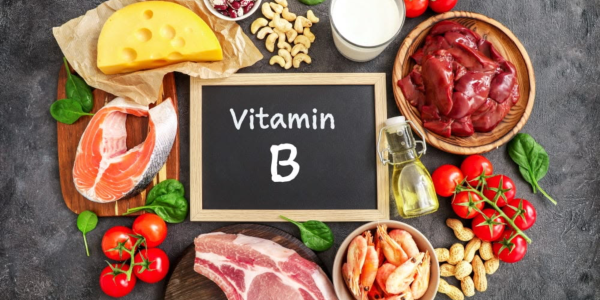
B vitamins: which ones are they, what are they used for and where are they found?
B vitamins are a group of eight water-soluble micronutrients involved in numerous physiological processes. They contribute to energy metabolism, the functioning of the nervous system, red blood cell formation and the maintenance of various cellular functions. They are found in both animal-based and plant-based foods, although some, such as vitamin B12, occur naturally mainly in animal products. In this article, we look at the characteristics of each vitamin, their main functions in the body and the foods that help provide them.
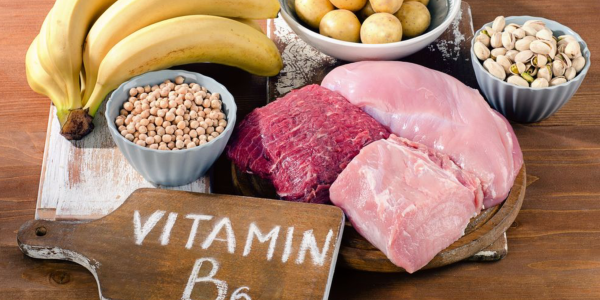
Vitamin B6: What Is It Used For? Where Is It Found, Daily Requirements and Deficiency
Vitamin B6, also known as pyridoxine, is a water-soluble vitamin that is essential for numerous functions in the body. It plays a role in energy and protein metabolism, contributes to the normal functioning of the nervous and immune systems, and is involved in the production of certain neurotransmitters. It is found in various foods, including meat, fish, legumes, whole grains, nuts and bananas. In this article, we explore its main functions, the foods richest in this vitamin, daily requirements and the possible consequences of a deficiency. We will also look at when supplements may be useful and why it is important to pay attention to dosages.
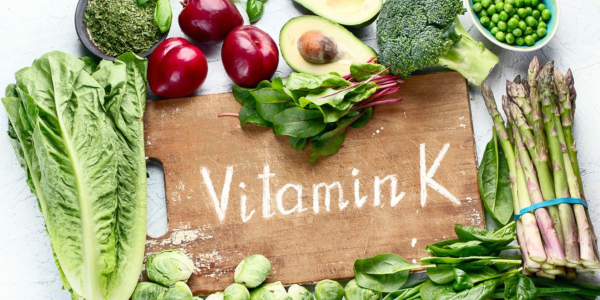
Vitamin K: What Is It Used for, Where Is It Found and What Are the Symptoms of Deficiency?
Vitamin K is an essential nutrient for the proper functioning of the body, best known for its role in blood clotting and maintaining bone health. It occurs in several forms, mainly vitamin K1 and K2, which are found in plant-based foods, fermented products and certain animal-based sources. In this article, we explore the differences between K1 and K2, the foods richest in vitamin K, daily requirements and the situations in which taking a supplement may be worth considering.

Vitamin D: What Is It Good for? Where to Find It, Daily Requirements by Age, Deficiency and Supplements
Vitamin D is an essential nutrient for the well-being of the body, best known for its role in maintaining healthy bones and muscles and supporting the normal function of the immune system. It can be produced by the skin through exposure to sunlight and obtained from certain foods. However, several factors, such as age, daily habits and health conditions, can affect the amount available to the body. In this article, we explore its main functions, dietary sources, requirements in adults and older people, the signs and risk factors of deficiency, and the role of supplements.

Vitamin D: When to Take It, How to Take It, Daily Dosage and Duration
Vitamin D is an essential nutrient for maintaining healthy bones and teeth, absorbing calcium and supporting the normal functioning of the immune system. The body can produce it through exposure to sunlight, but diet and, when necessary, supplements also help ensure an adequate intake. To get the most out of supplementation, it is important to know the best time to take it, how to take it correctly and what amounts to follow. In this article, we explore how to supplement this nutrient correctly, which factors influence requirements and which precautions to consider, with particular attention to the needs of adults and women during menopause.

Folic Acid: What It Is, What It Does and Where to Find It
Folic acid is the synthetic form of vitamin B9, an essential nutrient involved in cell division, DNA synthesis and red blood cell formation. Vitamin B9 occurs naturally in many foods, especially leafy green vegetables and legumes, while folic acid is used in supplements and fortified foods. Its intake is particularly important during pregnancy and in the period before conception, when it contributes to the normal development of the embryo's nervous system. In this article, we take a closer look at the functions of vitamin B9, daily requirements, the possible consequences of a deficiency and the precautions to consider for informed supplementation.

Vitamin B12: What It Is Used For, Deficiency, Sources and How to Take It
Vitamin B12, also known as cobalamin, is an essential micronutrient that plays important roles in the nervous system, red blood cell formation and normal cellular metabolism. It is naturally found mainly in animal-based foods, while people following a vegan diet must pay particular attention to ensuring an adequate intake through supplements. Insufficient intake or difficulties with absorption can lead to vitamin B12 deficiency, with consequences affecting several functions of the body.

Tryptophan-Rich Foods: Benefits, Which Foods to Choose, and Supplements
Tryptophan is an essential amino acid that the body cannot produce on its own and must therefore obtain through the diet. It is found in many foods of both animal and plant origin and is involved in several physiological processes, including the synthesis of serotonin and melatonin, substances involved respectively in the regulation of various bodily functions and the sleep-wake cycle. For this reason, tryptophan-rich foods are often associated with mental well-being and sleep quality. In this guide, we will explore the main foods rich in tryptophan.