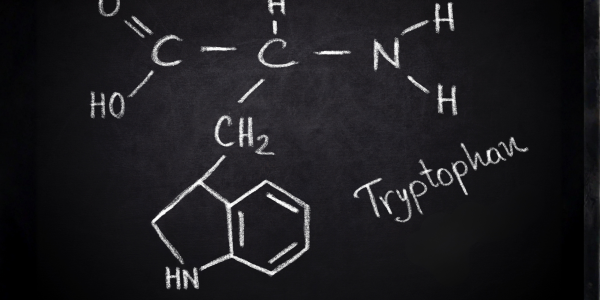
Tryptophan and L-Tryptophan: Side Effects, Contraindications, and How Long It Takes to Work
Tryptophan is an essential amino acid that the body cannot produce on its own and must therefore obtain through food. It performs several physiological functions and is particularly well known because it is a precursor of serotonin, a neurotransmitter involved in mood regulation and numerous bodily processes. The body can also produce melatonin from serotonin, a hormone that helps regulate the sleep-wake cycle. Before using a tryptophan supplement, it is important to understand its possible side effects, contraindications, and interactions, especially with medicines that affect the serotonin system.

Branched-Chain Amino Acids or Essential Amino Acids: Differences, Which to Choose, and When to Take Them
Branched-chain amino acids (BCAAs) and essential amino acids (EAAs) are often used in sports nutrition, but they are not the same thing. The former include leucine, isoleucine, and valine, while the latter include all nine essential amino acids, which are required for numerous physiological processes and protein synthesis. In this guide, we examine the differences between the two categories, their roles in the body, and the factors to consider before and after training, with a closer look at contraindications and useful criteria for evaluating a supplement.

The 10 Best Essential Amino Acids
Essential amino acids (EAAs) are nutrients that are indispensable to the body. They must be obtained through the diet because the body cannot synthesize them independently in sufficient quantities. In sports nutrition, they are particularly important for protein synthesis, the maintenance of muscle mass, and recovery processes associated with physical activity. Essential amino acid supplements are not all the same: they may differ in composition, amino acid ratios, added ingredients, and format. Some provide a complete blend of EAAs, while others combine amino acids with additional nutrients or focus on a single component.
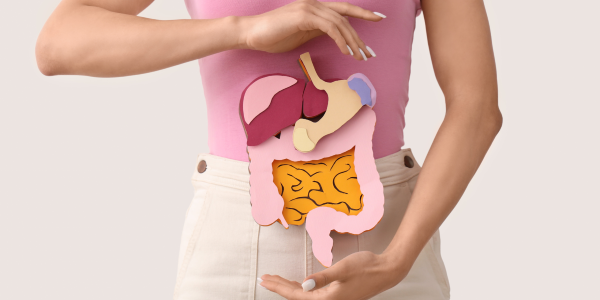
Betaine and Betaine HCl: What They Are Used for, Where to Find Them, and How to Take Them
Betaine is a substance involved in several physiological processes, including homocysteine metabolism and the regulation of cellular water balance. In this guide, we will look at where it is found in foods, how the main forms used in supplements differ, and which benefits are supported by scientific evidence. We will also explore how and when to take it, as well as the potential contraindications and side effects to be aware of before considering supplementation.

Tyrosine: What Is It Used For? Definition, Contraindications and Side Effects
Tyrosine is an amino acid involved in several physiological processes, including the production of dopamine, noradrenaline and thyroid hormones. In this guide, we will explain what it is, the differences between L-tyrosine and acetyl tyrosine, and its potential role in the stress response and metabolism. We will also explore the main contraindications, possible side effects and precautions to consider before taking a supplement.
Essential Amino Acids: When to Take Them? What Are They Used For, Daily Dosage and Side Effects
Essential amino acids (EAAs) are molecules that play a fundamental role in protein synthesis and numerous physiological processes. The body cannot produce them in sufficient quantities, so they must be obtained through the diet, from protein-rich foods or, when appropriate, specific supplements. In this guide, we explore what they are used for, how to time their intake in relation to training, which formats to choose, and what precautions to be aware of before supplementing.

Carnitine: How to Take It, When to Take It, and for How Long
Carnitine is a substance involved in energy metabolism because it helps transport fatty acids into the mitochondria, where they can be used to produce energy. It is naturally present in the body and in certain foods, but it is also used in supplements intended for people who engage in physical activity. To make appropriate use of its properties, it is important to understand how to take carnitine, what dosage to consider, when to take it, and for how long. The recommended approach may vary depending on the formulation, the intended goal, and individual circumstances.
L-Theanine: What Is It Used For? Benefits and Side Effects
L-theanine is an amino acid naturally found in tea leaves and studied for its potential effects on relaxation, the stress response, and cognitive functions. It is often used in dietary supplements intended for people who want to support concentration without giving up a sense of calm. In this article, we explore what L-theanine is used for, its potential benefits, when to take it, and the side effects and contraindications to be aware of.

BCAAs: What Are They Used For? Differences, When and How to Take Them, and Side Effects
BCAAs are three essential amino acids involved in energy metabolism and muscle function. They are often used by people who practice sports to support muscle growth and recovery. Available in different formulations, such as 2:1:1, 4:1:1, and 8:1:1, they differ in the ratio of leucine, isoleucine, and valine. In this article, we explore what BCAAs are used for, when and how to take them, which dosages to consider, and which side effects to be aware of before choosing a supplement.