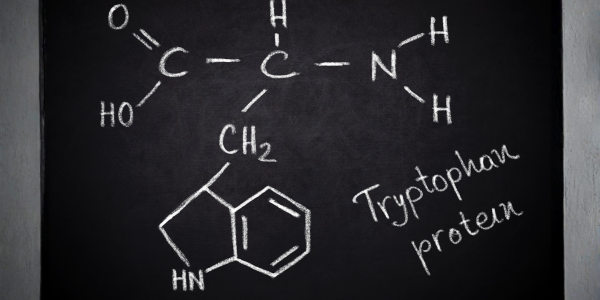
Tryptophan: What It Is, What It Does, Sources and Intake
Tryptophan is an essential amino acid that the body uses to produce proteins and synthesize several molecules that are important for nervous system function, including serotonin and melatonin. For this reason, it is often associated with emotional well-being, relaxation and sleep regulation. It is found in various foods of both animal and plant origin and can also be taken through specific supplements. To understand its characteristics, it is useful to distinguish between the functions of tryptophan, its dietary sources and the precautions to consider when evaluating supplementation.

What Are Amino Acids? What They Do and Which Are Essential and Non-Essential
Amino acids are the fundamental building blocks of proteins and perform numerous functions in the body: they help build and maintain tissues, take part in the production of enzymes and other biological molecules, and contribute to metabolic processes. However, not all amino acids are the same. Some must be obtained through the diet, while others can be produced by the body under normal conditions. In this guide, we will explore what amino acids are, what they do, which ones are essential and non-essential, and the differences between essential amino acids and branched-chain amino acids.
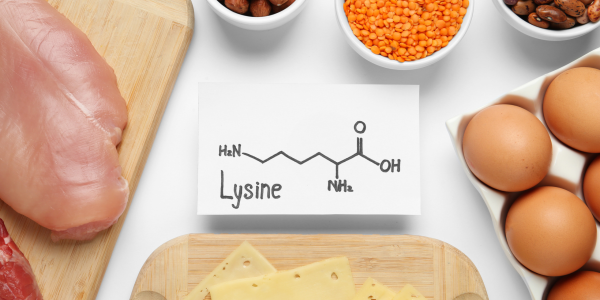
Lysine: What It Is, What It Does, and Where to Find It
Lysine is an essential amino acid involved in protein synthesis and several physiological processes, including tissue maintenance. Since the body cannot produce it on its own, it must be obtained through the diet. In recent years, it has been studied for its potential role in managing recurrent herpes simplex infections and its contribution to collagen synthesis. In this guide, we explore what lysine is, what it does, its main dietary sources, and the precautions to consider before taking supplements.

GABA: What It Is, Benefits, How to Take It, and Contraindications
GABA, or gamma-aminobutyric acid, is a neurotransmitter that plays an important role in regulating the activity of the central nervous system. It is often associated with relaxation, stress management, and sleep quality, aspects that have led to growing interest in supplements containing this substance. In this article, we explore what GABA is, its functions in the body, the benefits that have been studied, and the precautions to consider before taking a supplement.

L-carnitine: What It Is Used For, Benefits and Contraindications
L-carnitine is a substance naturally produced by the body and found mainly in foods of animal origin. It plays an important role in energy metabolism because it helps transport fatty acids into the mitochondria, where they can be used to produce energy. For this reason, it is often included in supplements intended for people who exercise or wish to manage their body weight. In this guide, we explore what L-carnitine is used for, its potential benefits, how to take it, and the contraindications to be aware of.
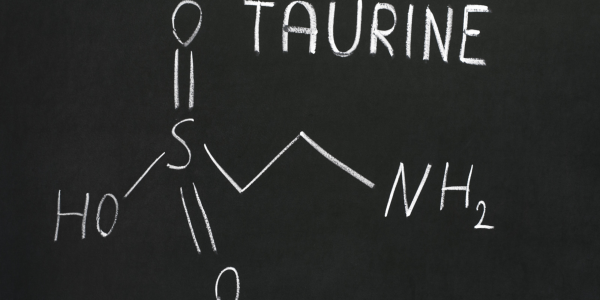
Taurine: What It Is, Benefits, and Side Effects
Taurine is a substance naturally present in the human body and in various foods, especially those of animal origin. It participates in numerous physiological processes, including the regulation of fluid balance in cells, nervous system function, and muscle activity. It is also known for its presence in energy drinks, where it is often combined with caffeine. In this guide, we explore what taurine is, what it does, its potential benefits, and the side effects to consider.
Glycine: What It Is, Benefits and Contraindications
Glycine is a non-essential amino acid involved in several processes in the body, including the synthesis of collagen and other molecules that are important for metabolism. In recent years, it has also been studied for its potential role in promoting relaxation and improving sleep quality, although the scientific evidence remains limited. In this guide, we explore what glycine is used for, its potential benefits and the contraindications to consider, also examining the differences between powder and capsule supplements.
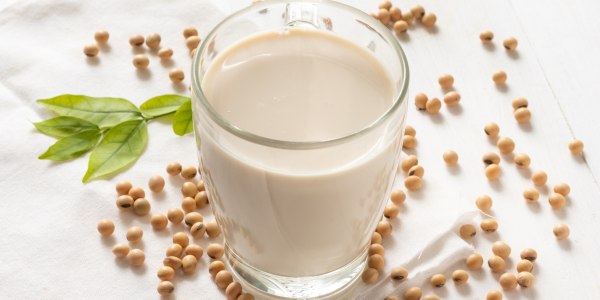
Soy and Protein: Nutritional Properties, Muscle Mass, and Contraindications
Soy is one of the main sources of plant-based protein and can be included in the diet of people who play sports, follow a vegetarian or vegan diet, or want to vary their daily protein sources. Its seeds and derivatives, such as tofu, tempeh, and soy drink, have different nutritional characteristics. For this reason, it is important to distinguish the protein content of whole foods from that of powdered supplements. In this guide, we examine the nutritional properties of soy, its role in muscle development, and the differences between concentrated and isolated proteins.

How Much Protein Powder Should You Take Per Day? Dosage, When and How to Take It
The amount of protein you should consume each day depends on your body weight, physical activity, goals and, above all, the protein you already get from your diet. People who train to build muscle may have different needs from those who engage in moderate physical activity or follow a weight-loss plan. Protein powder is a convenient way to supplement your daily protein intake when food alone is not enough or when you need a practical option after training. However, it does not replace a varied and balanced diet, and you do not need to take it every day if your dietary needs are already met through food.