
Articles by Matteo Massimo Primo
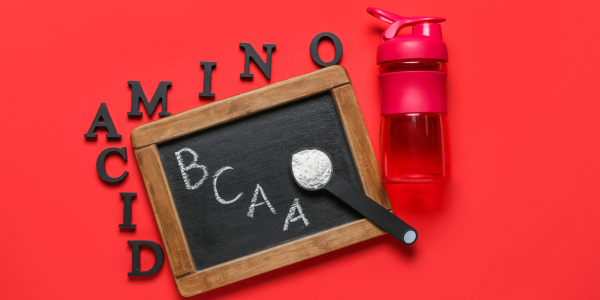
BCAAs: What Are They? What Are Branched-Chain Amino Acids Used For?
BCAAs are essential amino acids that are well known in sports nutrition and are used mainly by people who engage in weight training or intense physical activity. The acronym comes from the English term Branched-Chain Amino Acids and refers to three nutrients: leucine, isoleucine and valine. These amino acids are involved in protein metabolism and play important roles in muscle tissue. In this guide, we explore what BCAAs are, how they differ from EAAs, and how to navigate composition ratios and timing of intake.

Amino Acids: What Are They For, When and How to Take Them
Amino acids are essential molecules for the body's functioning and play an important role in protein building, maintaining muscle mass, and numerous metabolic processes. For those who practice sports, understanding their functions can help clarify when supplementation may be useful and how to incorporate it into a balanced diet. In this guide, we will explore what amino acids are used for, which foods contain them, and which aspects to consider before choosing a specific product.

Glutamine: What Is It Used For? Where to Find It, How to Take It and Contraindications
Glutamine is an amino acid found abundantly in the body and involved in several physiological processes, including the metabolism of intestinal cells and the functioning of the immune system. Although the body can produce it on its own, requirements may increase under certain conditions. For this reason, glutamine is often of interest in sports nutrition and intestinal health. In this guide, we will explore its main functions, how to take it, its potential role in recovery after exercise, and the contraindications to be aware of before using a supplement.

Leucine: What Is It Used For, Where Is It Found, and How Should It Be Taken?
Leucine is one of the nine essential amino acids and plays an important role in protein synthesis, particularly in muscle tissue. Since the body cannot produce it independently in sufficient quantities, it must be obtained through the diet by choosing protein sources such as meat, fish, eggs, dairy products, legumes, and soy. In this guide, we will explore its functions, the main dietary sources, how to take it, and the precautions to be aware of before using specific products.
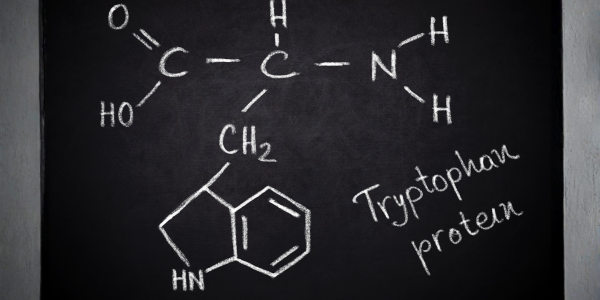
Tryptophan: What It Is, What It Does, Sources and Intake
Tryptophan is an essential amino acid that the body uses to produce proteins and synthesize several molecules that are important for nervous system function, including serotonin and melatonin. For this reason, it is often associated with emotional well-being, relaxation and sleep regulation. It is found in various foods of both animal and plant origin and can also be taken through specific supplements. To understand its characteristics, it is useful to distinguish between the functions of tryptophan, its dietary sources and the precautions to consider when evaluating supplementation.

What Are Amino Acids? What They Do and Which Are Essential and Non-Essential
Amino acids are the fundamental building blocks of proteins and perform numerous functions in the body: they help build and maintain tissues, take part in the production of enzymes and other biological molecules, and contribute to metabolic processes. However, not all amino acids are the same. Some must be obtained through the diet, while others can be produced by the body under normal conditions. In this guide, we will explore what amino acids are, what they do, which ones are essential and non-essential, and the differences between essential amino acids and branched-chain amino acids.
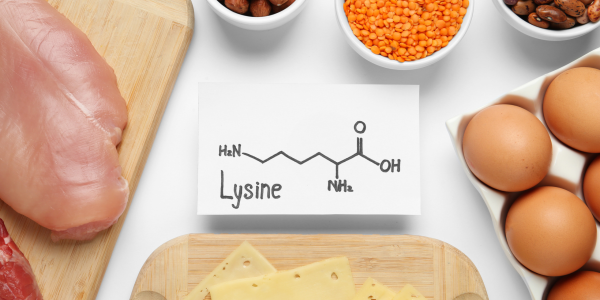
Lysine: What It Is, What It Does, and Where to Find It
Lysine is an essential amino acid involved in protein synthesis and several physiological processes, including tissue maintenance. Since the body cannot produce it on its own, it must be obtained through the diet. In recent years, it has been studied for its potential role in managing recurrent herpes simplex infections and its contribution to collagen synthesis. In this guide, we explore what lysine is, what it does, its main dietary sources, and the precautions to consider before taking supplements.

GABA: What It Is, Benefits, How to Take It, and Contraindications
GABA, or gamma-aminobutyric acid, is a neurotransmitter that plays an important role in regulating the activity of the central nervous system. It is often associated with relaxation, stress management, and sleep quality, aspects that have led to growing interest in supplements containing this substance. In this article, we explore what GABA is, its functions in the body, the benefits that have been studied, and the precautions to consider before taking a supplement.

L-carnitine: What It Is Used For, Benefits and Contraindications
L-carnitine is a substance naturally produced by the body and found mainly in foods of animal origin. It plays an important role in energy metabolism because it helps transport fatty acids into the mitochondria, where they can be used to produce energy. For this reason, it is often included in supplements intended for people who exercise or wish to manage their body weight. In this guide, we explore what L-carnitine is used for, its potential benefits, how to take it, and the contraindications to be aware of.