
Articles by Matteo Massimo Primo
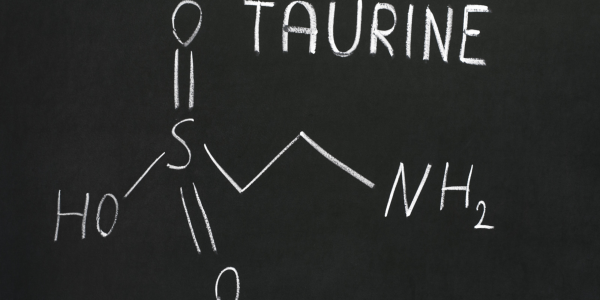
Taurine: What It Is, Benefits, and Side Effects
Taurine is a substance naturally present in the human body and in various foods, especially those of animal origin. It participates in numerous physiological processes, including the regulation of fluid balance in cells, nervous system function, and muscle activity. It is also known for its presence in energy drinks, where it is often combined with caffeine. In this guide, we explore what taurine is, what it does, its potential benefits, and the side effects to consider.
Glycine: What It Is, Benefits and Contraindications
Glycine is a non-essential amino acid involved in several processes in the body, including the synthesis of collagen and other molecules that are important for metabolism. In recent years, it has also been studied for its potential role in promoting relaxation and improving sleep quality, although the scientific evidence remains limited. In this guide, we explore what glycine is used for, its potential benefits and the contraindications to consider, also examining the differences between powder and capsule supplements.
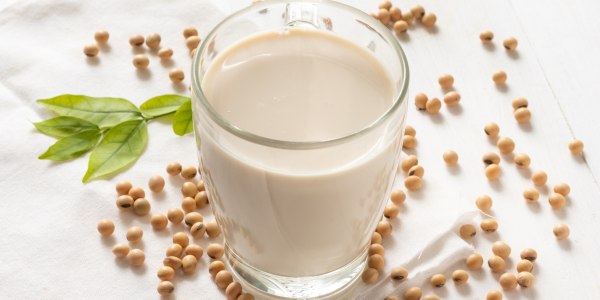
Soy and Protein: Nutritional Properties, Muscle Mass, and Contraindications
Soy is one of the main sources of plant-based protein and can be included in the diet of people who play sports, follow a vegetarian or vegan diet, or want to vary their daily protein sources. Its seeds and derivatives, such as tofu, tempeh, and soy drink, have different nutritional characteristics. For this reason, it is important to distinguish the protein content of whole foods from that of powdered supplements. In this guide, we examine the nutritional properties of soy, its role in muscle development, and the differences between concentrated and isolated proteins.
How Much Protein Powder Should You Take Per Day? Dosage, When and How to Take It
The amount of protein you should consume each day depends on your body weight, physical activity, goals and, above all, the protein you already get from your diet. People who train to build muscle may have different needs from those who engage in moderate physical activity or follow a weight-loss plan. Protein powder is a convenient way to supplement your daily protein intake when food alone is not enough or when you need a practical option after training. However, it does not replace a varied and balanced diet, and you do not need to take it every day if your dietary needs are already met through food.
Is Casein Bad for You? Side Effects, Impact on the Gut, and What to Eat to Avoid It
Casein is one of the main proteins found in milk and dairy products. It is also used in sports supplements due to its relatively slow digestion and ability to provide amino acids over time. In recent years, this protein has been the subject of discussions about its potential effects on the gut, inflammation, and overall health. In this guide, we look at the possible side effects of casein, how to distinguish them from symptoms of lactose intolerance, and which dietary alternatives to consider when it needs to be avoided.
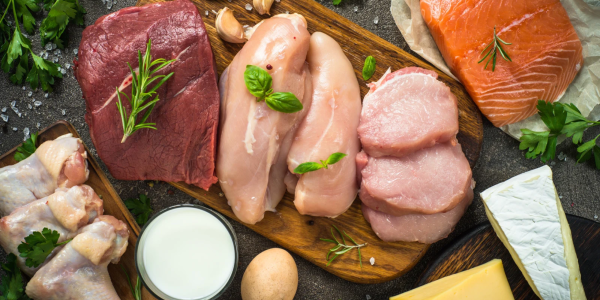
Meat and Protein: How Much Protein Is in 100 Grams? Which Meat Has the Most Protein?
The protein content of meat varies depending on the animal species, cut, and preparation method: chicken, turkey, beef, horse meat, and pork can provide similar amounts of protein, especially when lean cuts are chosen. Knowing the nutritional values helps compare different types of meat and choose those best suited to individual dietary and sports-related needs. This guide includes a table showing the protein content of meat per 100 g, indicative values for the main white and red meats, and some tips for selecting lean, protein-rich cuts.
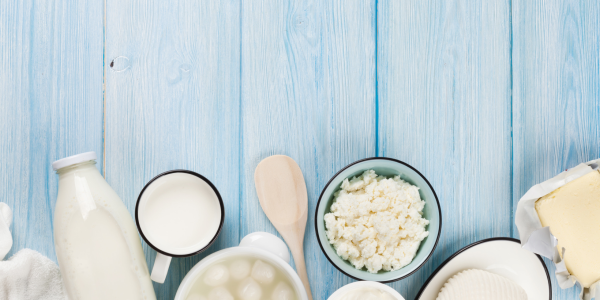
Cheese Without Casein: Does It Exist? Plant-Based Alternatives and Traditional Options with a Lower Impact
Traditional cheeses made from animal milk generally contain casein, whereas plant-based alternatives can be formulated without dairy ingredients. There are also products, such as ricotta, and products made from milk containing certain beta-casein variants. Understanding the differences between casein, lactose and whey proteins helps people make more informed food choices. This is important for those who wish to reduce certain digestive issues or need to avoid milk proteins.

What Is Casein? Where It Is Found, Foods Without It, and Side Effects
Casein is one of the main proteins in milk and its derivatives. It is found in many everyday foods, such as yogurt and cheese, but it is also used in protein supplements, mainly because it is digested relatively slowly. Understanding where it is found, which foods contain it, and which alternatives to choose can be useful when planning your diet, particularly if you have allergies or specific dietary needs.

The 2 Best Meal Replacements for Weight Loss
Choosing the best meal replacements for weight loss means evaluating not only calories, but also the intake of protein, carbohydrates, fats, fibre and micronutrients. These options can be practical when you have little time to prepare a meal, but it is important to distinguish a genuine meal replacement from a protein bar or a simple snack. In this guide, we analyse the products available from Tsunami Nutrition and food alternatives that can help you plan breakfasts, meals and snacks more consciously.