
Articles by Matteo Massimo Primo
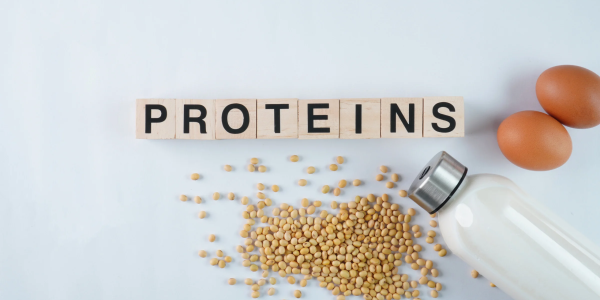
Plant-Based Proteins: Types, Sources and Nutritional Values
Plant-based proteins are nutrients found in numerous foods of plant origin, including legumes, grains, pseudocereals, nuts and oilseeds. They are an important part of the daily diet and can contribute to maintaining muscle mass, normal tissue renewal and meeting protein requirements, including for people who play sports. Understanding which foods contain more plant-based protein, how to combine them and how they differ from animal sources makes it possible to build balanced meals and choose supplements when appropriate.

How Much Protein Do You Need Per Day? Grams for Different Goals and Intake from Food and Supplements
Protein is an essential nutrient for the body: it contributes to building and maintaining tissues, supports numerous biological processes, and plays an important role in maintaining muscle mass. However, the amount you need each day is not the same for everyone. It depends on body weight, age, physical activity level, health status, and individual goals. Understanding how much protein to consume daily is particularly important for people who exercise, want to build muscle mass, or are following a weight-loss plan.

Casein: What It Is, Where It Is Found, Effects and Contraindications
Casein is one of the main proteins in milk and dairy products. It is found in many foods, including yogurt, cheese and milk, and is also used in the food industry and sports nutrition because of its nutritional properties and ability to release amino acids gradually during digestion. Understanding what casein is can help you choose foods that best suit your needs.
Memory and cognitive functions: how to support mental well-being
Memory, concentration and attention are abilities we use constantly, while studying, working and carrying out everyday activities. Their functioning depends on several factors, including sleep quality, diet, stress management and the biological mechanisms that allow nerve cells to communicate with one another. In these situations, it is useful to start with daily habits and understand the role of certain substances involved in nervous system processes, such as acetylcholine and citicoline.
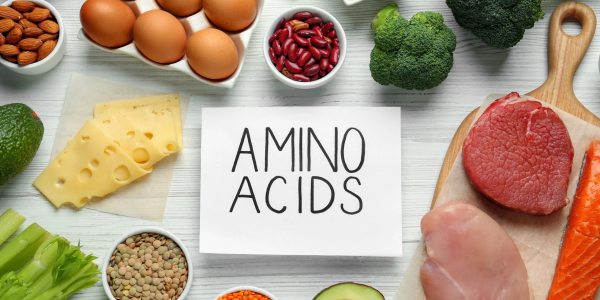
Essential Amino Acids: Functions, Nutrition, and Support for Sports Performance
Essential amino acids are nutrients that are indispensable for numerous physiological processes, including the synthesis of proteins that contribute to the structure and functioning of tissues. For people who engage in sports, understanding their role can help them better appreciate the importance of an adequate diet, both during periods of intense training and during recovery. The body uses amino acids to build and renew proteins, including muscle proteins.

Metabolic balance and women's well-being: the role of nutrition
Women's metabolic well-being is influenced by several factors, including diet, physical activity, sleep quality, and hormonal changes that accompany different stages of life. Among the substances studied in relation to metabolism and cell communication is inositol, a compound naturally present in the body and involved in various physiological processes. One of its best-known forms is myo-inositol, which is also used in food supplements and has been researched in connection with polycystic ovary syndrome (PCOS).

Energy and vitality: strategies for coping with fatigue and a demanding schedule
Busy days, workouts, work and personal responsibilities can make it difficult to maintain a good balance between energy and recovery. Physical and mental fatigue can depend on numerous factors. To cope with particularly demanding periods, it is important to start with basic habits and learn to recognise your body's signals. Some naturally occurring substances are being researched for their potential role in psychophysical well-being. These include shilajit, a substance of plant-mineral origin characterised by the presence of fulvic acids and other compounds.

Spirulina: Nutritional Properties, Benefits and Use in Your Daily Routine
Spirulina is a naturally derived ingredient used in food and dietary supplements for its nutritional profile, which includes proteins and various compounds. Understanding the characteristics of spirulina helps clarify its role in everyday nutrition, distinguishing the nutrients it contains from properties that should not be taken for granted. Its composition, in fact, varies depending on the raw material and the amount consumed.

Urinary Tract Wellness and Fluid Drainage
Urinary tract health depends on several factors, including proper hydration, diet, and daily habits. Drinking adequate amounts of water and maintaining a balanced lifestyle contribute to the normal functioning of the body and regular urinary function. Certain plant ingredients and micronutrients are also found in supplements formulated to support urinary tract health and fluid drainage.